
OKRs allow performance to be evaluated based on concrete results, not just completed tasks. This way, you can measure each employee’s real impact on achieving organizational goals.
OKR Goals and Indicators Management bookmark_flag











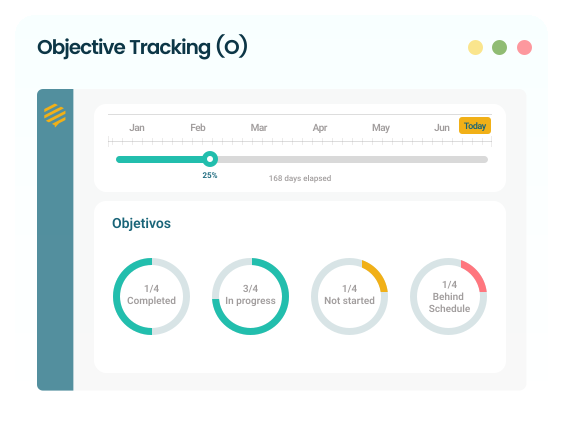
You don't know how many objectives are actually being executed.
There are multiple priorities and a lack of focus.
Teams don't know what's most important.
Objectives change, but teams don't find out in time or don't adjust their actions.
You have goals, but no clear indicators to measure their progress.
Tracking is dispersed across spreadsheets, emails, and meetings.
How does performance management align with OKRs?
OKRs allow performance to be evaluated based on concrete results, not just completed tasks. This way, you can measure each employee’s real impact on achieving organizational goals.
Do OKRs work for any type of company?
Yes. Whether it’s a startup, a mid-sized business, or a large corporation, OKRs adapt to different structures and help improve focus and performance measurement.
How do I know if my OKRs are well-defined?”
A good OKR should be clear, measurable, and challenging yet achievable. If you can’t measure it or don’t know when it’s been accomplished, it needs to be adjusted.
What are the benefits of implementing OKRs in my organization?
OKRs allow all teams to align with the company’s strategic objectives, focus on key priorities, and measure progress with greater clarity and objectivity.